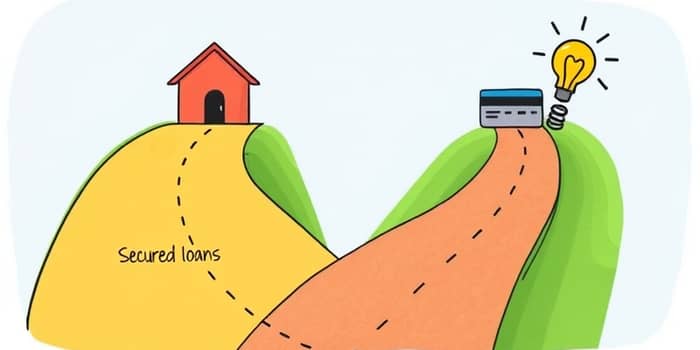
In the world of personal finance, loans are powerful tools for achieving dreams and managing needs. Secured and unsecured loans offer distinct paths with significant implications for your financial health.
Understanding these differences can empower you to borrow wisely. Make informed choices that support your goals by delving into the details.
This knowledge helps you navigate risks and opportunities effectively. Let's explore what sets these loan types apart.
Secured loans require collateral, such as a car, home, or savings account. This asset acts as security for the lender.
If you default, the lender can seize the collateral to recover losses. Collateral reduces lender risk significantly, making these loans more accessible.
Unsecured loans do not involve any collateral. Approval is based on your creditworthiness, income, and debt-to-income ratio.
Lenders rely on your promise to repay, increasing their risk. This often results in higher interest rates.
Both types serve different purposes and cater to varied financial situations.
To visualize the contrasts, here is a comprehensive table comparing main features of secured and unsecured loans.
This table highlights how collateral shapes the borrowing experience. Use it as a reference when evaluating options.
Secured loans come with several advantages that can be appealing. Lower interest rates are a major benefit, reducing overall borrowing costs.
They also offer higher borrowing limits and easier approval. Consider these pros in detail.
However, there are significant drawbacks to keep in mind. Risk of losing collateral is a key concern that requires careful consideration.
Weigh these factors against your financial stability.
Unsecured loans provide flexibility and speed for urgent needs. No collateral risk is a key advantage, protecting your assets from seizure.
They are ideal for those with strong credit and quick funding requirements. Explore the benefits below.
On the downside, challenges include higher costs and stricter qualifications. Higher interest rates impact overall affordability for many borrowers.
Assess these cons to avoid financial strain.
To make it concrete, here are common examples of both loan categories. Understanding these examples aids decision-making for specific financial goals.
Secured loans include various asset-backed options.
Unsecured loans encompass credit-based alternatives.
These examples illustrate the diversity in borrowing options.
Lenders assess several factors to determine eligibility for loans. For both types, credit score, income, and debts are key.
With secured loans, collateral offsets risk, making approval easier. Unsecured loans may use alternative data like education or work history.
Specific numbers highlight the differences. Interest rates for unsecured loans average above 12%, while secured rates can be 20% lower.
Loan amounts for unsecured loans can reach up to $100,000 for top credit. Secured loans offer higher limits based on collateral value.
Credit thresholds for unsecured loans require mid-600s or higher. Secured loans have lower requirements, suitable for poor credit.
These data points guide your financial planning.
Defaulting on any loan has serious implications. Both secured and unsecured loans damage your credit score if payments are missed.
For secured loans, the risk is more tangible. Asset seizure can occur if you default, leading to loss of property.
With unsecured loans, while no assets are automatically taken, you face collections or lawsuits. This can result in wage garnishment or legal fees.
It's crucial to make on-time payments to avoid these outcomes. Setting up automatic payments can help ensure consistency.
Your decision should align with your financial health and needs. Consider secured loans if you have assets to pledge and seek lower rates.
Unsecured loans are better for quick, flexible funding without collateral. Evaluate your assets, credit, and financial history to make the best choice.
Consulting with a financial advisor can provide personalized guidance.
Explore different lender types, such as banks, credit unions, and online platforms. Each may offer varying terms and rates.
Share-secured loans are a unique option, using your own savings to secure the loan. They often have the easiest approval and low rates.
Building credit is possible with secured loans, especially if you have no or poor history. On-time payments can improve your credit score over time.
Always compare terms from multiple lenders. Look for favorable interest rates and flexible repayment options.
Consider making down payments if possible, as this can reduce the loan amount and interest costs. The Consumer Financial Protection Bureau emphasizes the importance of understanding lender risk.
By arming yourself with knowledge, you can navigate the loan landscape confidently. Remember, the right loan can be a stepping stone to achieving your financial dreams.
References